BIP “HarMA Week for Student”
Intensive Training Week in Music Theory
1. General Information for participants
The Liszt Ferenc Academy of Music in Budapest will host the first HarMA Week for Students BIP in Music Theroy. Solfège and music theory classes will be organized during 5 days with the participation of students from HMEI’s in EU countries, from 9/11/2026 to 13/11/2026.
The 5-days intensive programme will gather students to experiment, transfer and apply content of the project together with them, working from the tools developed in peers in a view to broaden their perception of Music Theory as it is taught in other EU countries and contexts.
The primary goal of the programme is to meet different educational habits and methods at a practical level: ultimately, that different music pedagogic techniques could cross-fertilize each other.
All backgrounds of musicians are welcome ! Just make sure you’re ready to follow an intensive week of music theory training !
A dedicated and contributive comparative analysis comparative training session will be organized on the second day.
One-page-programme is available here
2. Registration Form
We have now opened the registration form for eligible participants (please, contact first your International Relations coordinator, Erasmus coordinator). Registrations will be processed on a strictly first-come, first-served basis. Please note that, as the number of participants is limited, we strongly recommend sending one or two representatives per institution.
- Deadline to submit your registration form is 15/10/2026 at the latest
If you have any queries about the HarMA Week, please email
erasmus@conservatoire.be (Salvatore Gioveni, Chair of the HarMA projects, Conservatoire royal de Bruxelles)
3. Costs and practical information
This BIP project is supported by the Erasmus+ Programme and allows participants to receive an Erasmus+ grant. Please first contact your Erasmus+ coordinator to apply and to ensure that you are eligible for financial support and authorized to participate.
The FL Academy of Music – Budapest will provide you all the necessary documents.
Programme
Mobility Agreement for BIP (training mobility)
Certificate of attendance (digital document)
Accommodation will be organized and supported by the FL Academy of Music. Your Erasmus grant should cover your indivual costs and travel costs.
Students must arrive on 8 November 2026 and depart on 14 November 2026 in order to receive the certificate of attendance.
4. BIP protocol
Our event is designed to be as interactive and smooth as possible. All speakers and participants are encouraged to participate in their own personal capacity. Discussion in all sessions is ‘off the record’ and no individual speaker or participant should be quoted without that individual’s express permission. Should a speaker wish or agree to talk ‘on the record’, the Chair will make this clear at the beginning of the session. In such cases, the speaker may be identified and quoted. All subsequent collective discussion reverts to the standard ‘off the record’ format.
Individuals attending HarMA Event may be video recorded or photographed during the course of a meeting. These media may be used for promotional purposes through broadcast, webcast or publication by other means. If you do not consent to your comments or likeness being used,please notify the Chair of the event (salvatore.gioveni@conservatoire.be).
Journalists, and other participants, are welcome to seek individuals’ agreement to conduct ‘on the record’ interviews with speakers or participants for which we shall provide space and facilities.
Participant lists will be circulated only beyond registered participants.
5. Social media
The protocol also applies to all uses of digital and social media, both before, during and after the event. If you do not consent to this protocol, please notify the Chair of the event (salvatore.gioveni@conservatoire.be)
6. Conference room
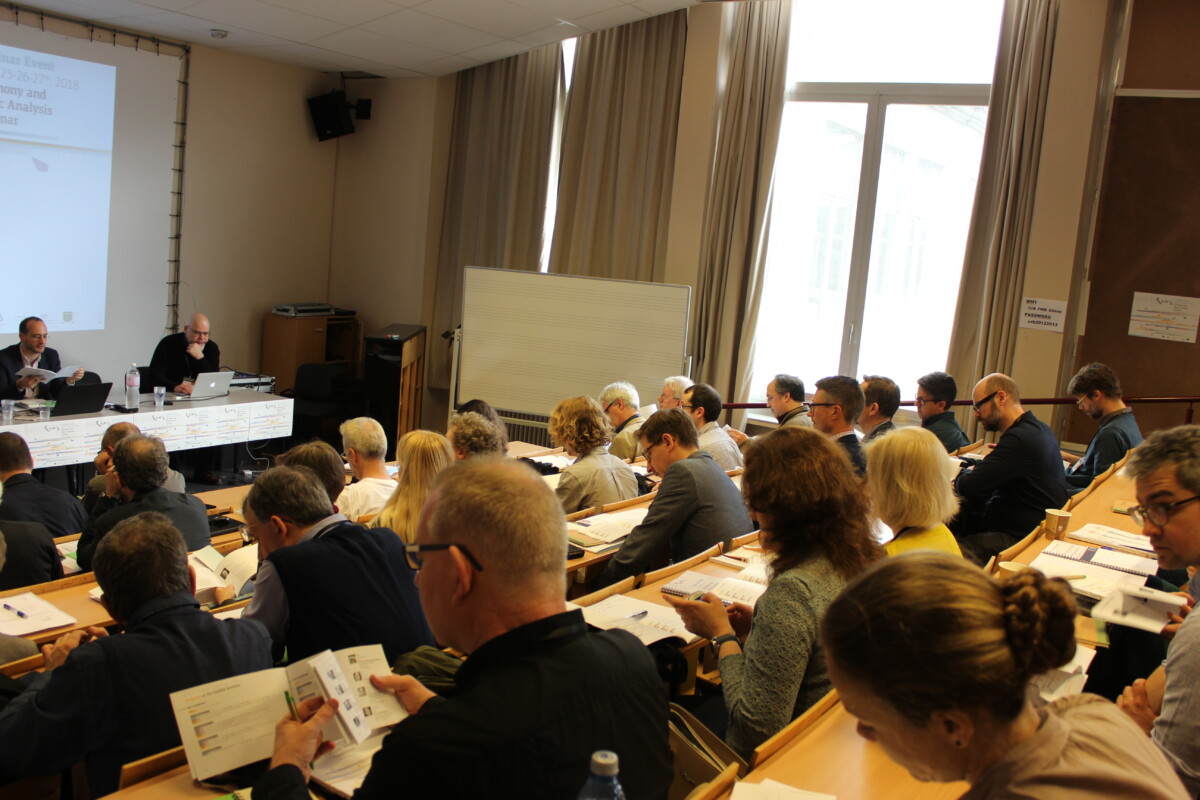
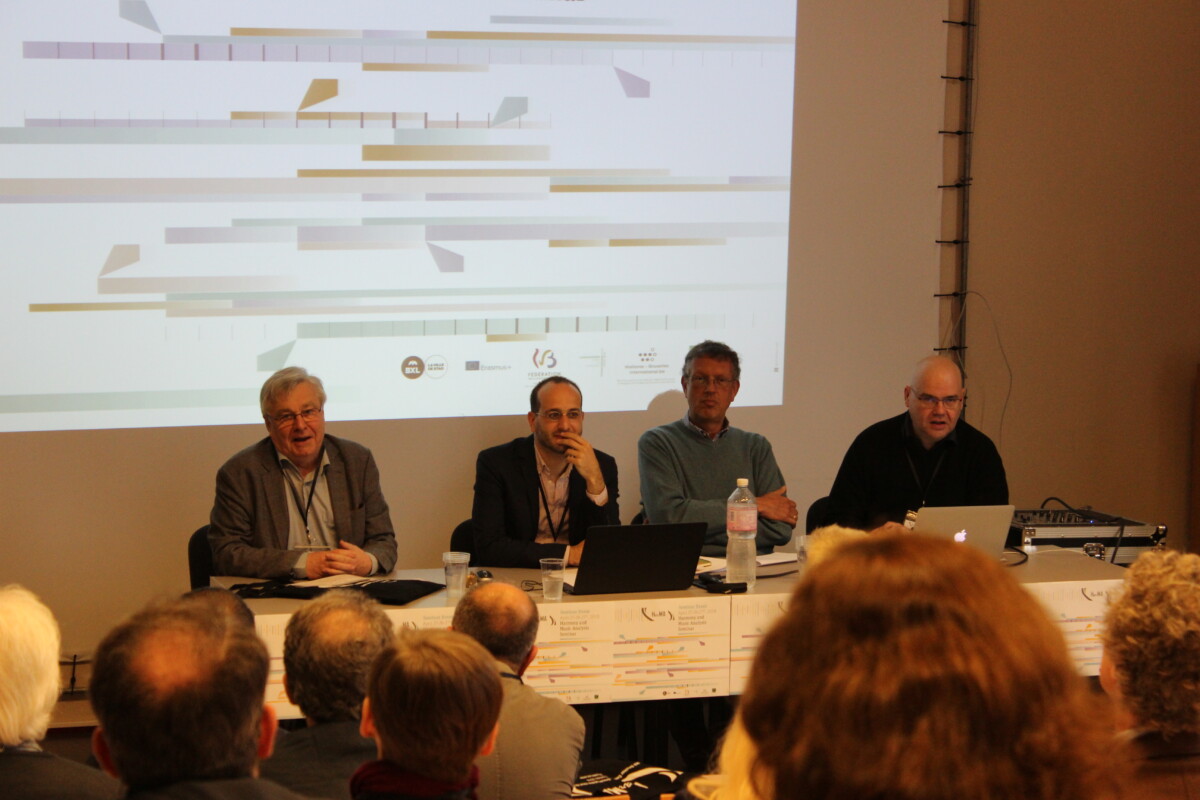
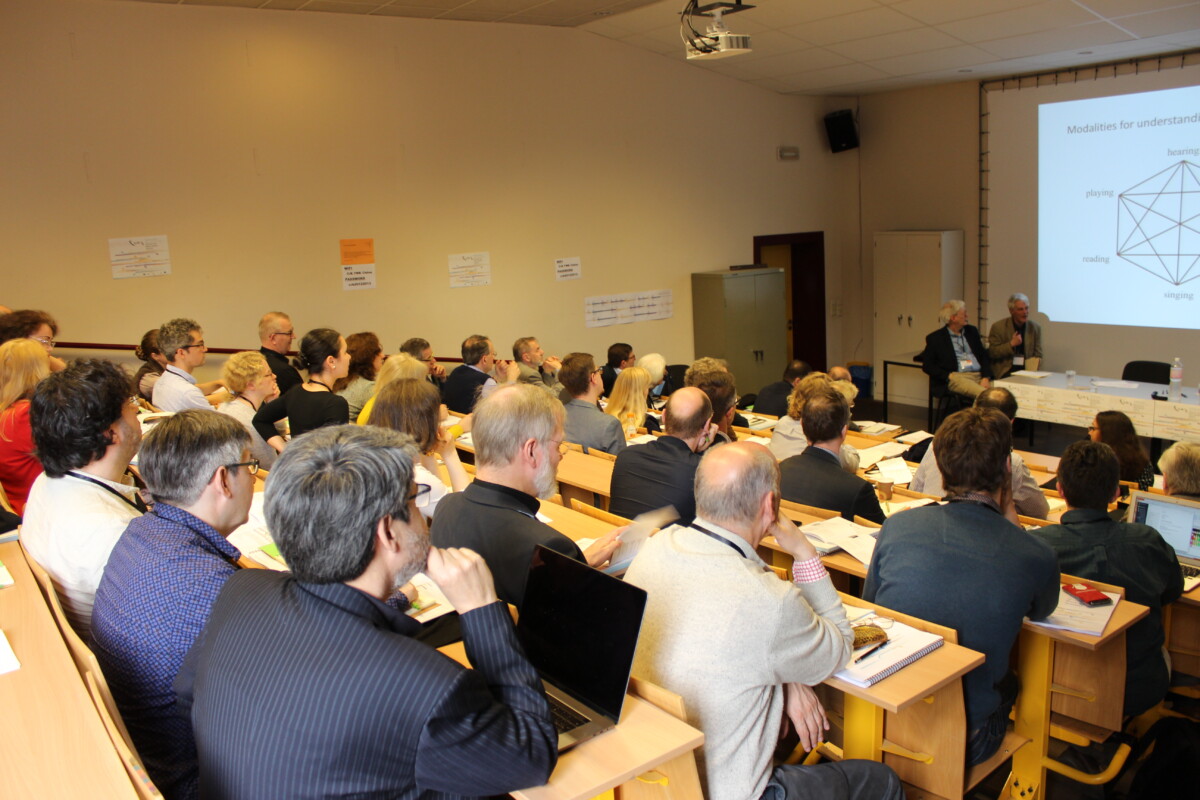
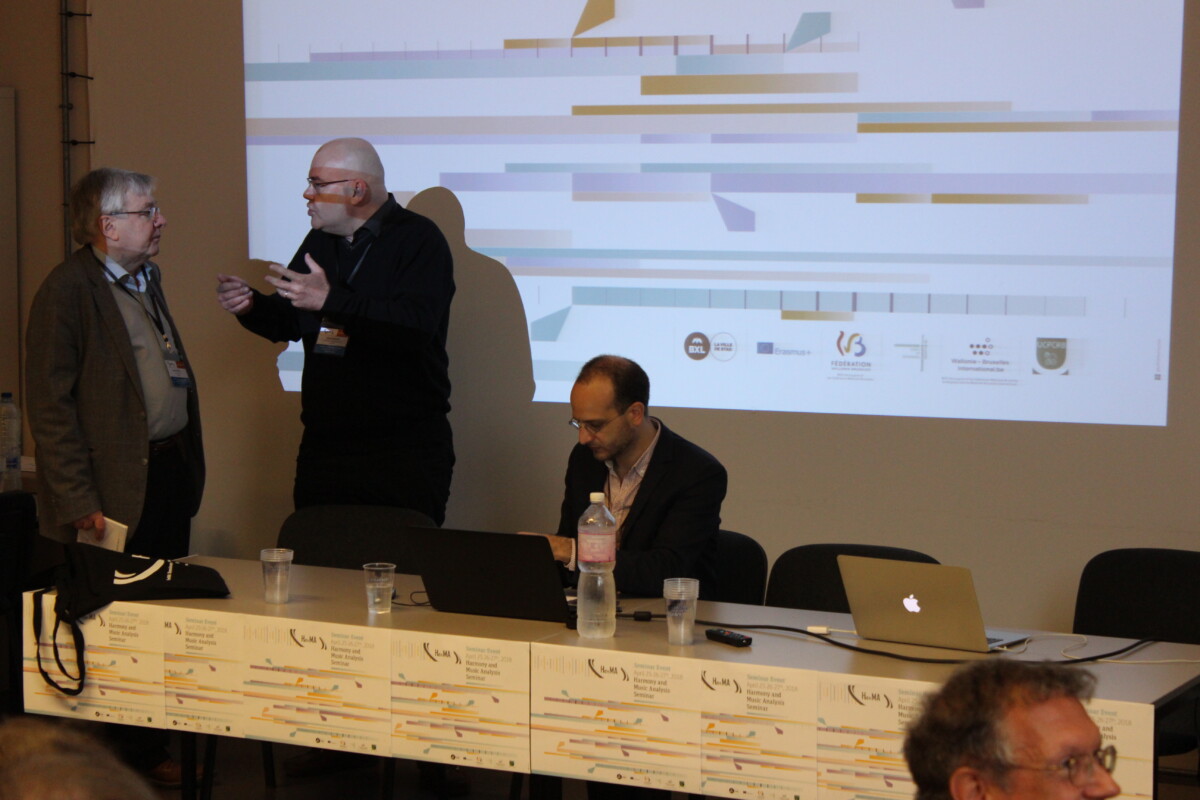
All plenary sessions take place in different Conference Rooms of the Conservatoire. Speakers usually stay seated for their presentations. There is sound equipment for amplification; the sessions might be recorded.
7. Venues
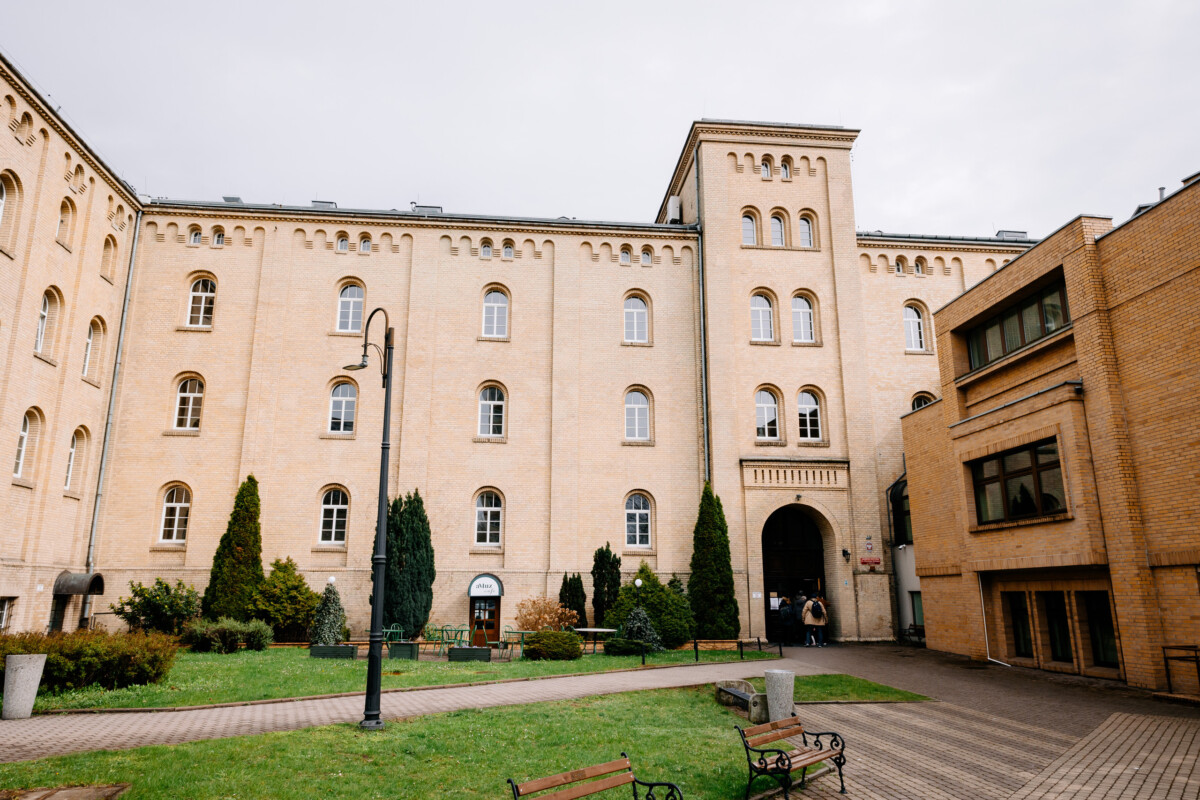
1061 Budapest, VII. Liszt Ferenc tér 8.